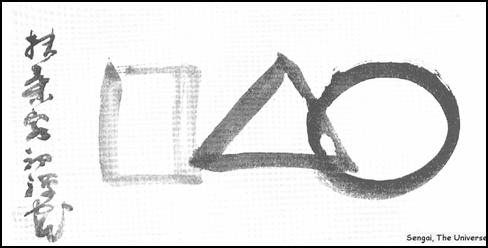
This seminar is designed for students with varying backgrounds to learn about Zen Buddhism and the many influences it has exerted upon Asian civilizations. The class begins by establishing the necessary background in Buddhism and the wider context of east Asian spirituality. We then examine the texts and monastic practices that cultivate Zen spiritual awakening. Finally, we explore the fine arts and martial disciplines of Japan, areas in which Zen influence has been especially significant. Special emphasis in Spring 2007 will be placed on Zen gardens and tea ceremony.
Consistent with the ethos of the Zen tradition, the course has been designed to convey an understanding of this subject visually and experientially, although standard reading assignments and lectures remain central.
Required Textbooks:
Heinrich Dumoulin, Zen Enlightenment. NY: Weatherhill, 1989
D.T. Suzuki, Zen and Japanese Culture. Princeton University Press, 1970
D. Howard Smith, The Wisdom of the Taoists. New York : New Directions, 1980
Shinryu Suzuki, Zen Mind Beginner's Mind. NY: Weatherhill, 1972
Horioka Holmes, Zen Art for Meditation. New York : Charles Tuttle, 1979.
Marc Keene, Japanese Garden Design. NY: Charles Tuttle, 2002.
Natalie Goldberg, Writing Down the Bones. Boulder : Shambhala, 1986.
K. Sekida, Two Zen Classics. NY: Weatherhill, 1970.
Bardwell Smith ed. Unsui: Diary of Zen Monastic Life. Univ. of Hawaii Press, 1973.
L. Stryk, Zen Poetry: Let the Spring Breeze Enter NY: Grove Press, 1995
Miyamoto Musashi, The Book of Five Rings. NY: Bantam, 1992)
Kakuzo Okakura, The Book of Tea. NY: Dover , 1966
Robert E. Kennedy, Zen Spirit, Christian Spirit. New York : Continuum, 1995.
Winston L. King, Zen and the Way of the Sword. NY: Oxford University Press, 1993.
Course Packet on ERES
1. Class Attendance. This will include the class Zen morning in the countryside, an evening zazen session, a possible Zen film series.
2. Required Readings should be completed before the designated class.
3. Three papers, according to syllabus deadlines. Late work will not receive full credit.
4. Zen Assignment submitted and presented on the final meeting.
5. An oral final examination during the reading period.
An open, questing, "beginner's mind. "
| Three Papers [10/10/10] | 30 |
| Zen Assignment | 35 |
| Final Examination | 25 |
| Informed Class Participation | 10 |
Our studies will culminate in class presentations of a term project. It must be terse, maximum two sheets (four printed sides) in length. The Zen Assignment is a written exploration, in-depth of a particular topic in the field of Zen Buddhism or on a theme related to some aspect of Zen spirituality. Zen Assignments in past classes have been original and creative, some in-depth philosophical prose discourses, others based on intensive apprenticeship experiences. A few have been on video, CD, and even wordless.
A special handout describing the possibilities and terms of this assignment will be distributed and discussed.